
Dental Crowns and Dental Bridges in Torrance, CA
- Home /
- Dental Crowns And Dental Bridges
Protect the tooth you still have. Replace the one you’ve lost. Get back to using your smile normally.
A damaged or missing tooth has a way of becoming something you work around. You chew differently, avoid certain foods, favor one side of your mouth, or become more aware of the gap when you smile. Dental crowns and bridges are designed to put that function back. At Advanced Dental Solutions in Torrance, we determine what your tooth actually needs and restore it as conservatively as possible.
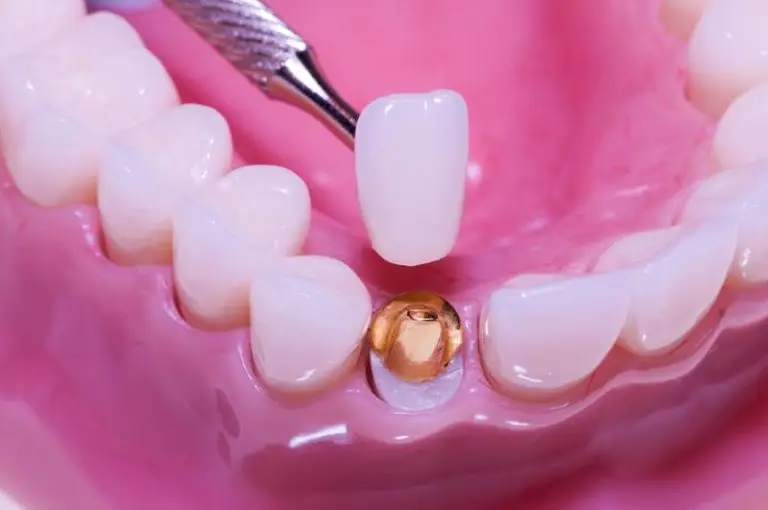
What Dental Crowns and Bridges Can Fix
Crowns protect what remains. Bridges replace what is gone. A crown can strengthen a cracked, heavily decayed, worn, or structurally weakened tooth, including teeth restored after a root canal. It can also restore the appearance of a severely discolored or misshapen tooth or complete a dental implant.A bridge fills the space left by one or more missing teeth, restoring a surface you can chew with while helping prevent neighboring teeth from shifting. Both are designed to make the restored area feel less like something you have to think about and more like a normal part of your bite again.
Which Dental Crown Materials Are Best for Durability and Appearance?
The best dental crown material depends on the tooth’s location, how visible it is, the amount of biting force it receives, and the condition of the remaining tooth structure. Porcelain and ceramic crowns are often selected when a natural appearance is the priority, while zirconia, porcelain-fused-to-metal, and metal crowns may offer added strength in higher-force areas. A dental examination is needed to compare the tradeoffs and determine which material is appropriate for your bite, restoration needs, and cosmetic goals.
| Crown Material | Appearance | Durability | Common Clinical Consideration |
|---|---|---|---|
Porcelain Crowns |
Closely color-matched to nearby teeth for a highly natural-looking result. | Durable for appropriate cases, although appearance is usually the primary advantage. | Often considered for front teeth and other highly visible areas where blending with the natural smile matters most. |
Ceramic Crowns |
Provides a natural, metal-free appearance similar to porcelain. | Offers strong wear resistance for many restorative situations. | May be considered for patients who prefer a metal-free restoration or have sensitivities to certain dental materials. |
Zirconia Crowns |
Designed to provide a tooth-colored result without a metal base. | Highly durable and able to withstand significant biting pressure. | Often considered for high-force areas or for patients who clench or grind, depending on the bite and condition of the tooth. |
Porcelain-Fused-to-Metal Crowns |
Uses an outer porcelain layer to create a tooth-colored appearance. | A metal core adds strength and structural support. | May be appropriate for back teeth when both durability and a natural-looking exterior are important. |
Metal Crowns |
Does not provide a tooth-colored appearance and is typically used outside the visible smile area. | Generally offers the greatest resistance to wear and fracture. | Commonly considered for molars that absorb substantial chewing force and are less visible when smiling. |
Find a Dentist Who Offers Same-Day Crowns in Torrance, CA
For qualifying cases, a damaged tooth can be prepared, digitally scanned, restored, and finished in one appointment. Advanced Dental Solutions offers same-day CEREC dental crowns in Torrance using digital design and on-site milling technology.That can mean no temporary crown, no waiting weeks for a lab restoration, and no second appointment just to finish what you already started. You come in with a tooth that needs attention and may leave with the permanent restoration already in place.Not every tooth is appropriate for a same-day crown. Your dentist will first evaluate the tooth, bite, and remaining structure to determine whether CEREC or another restoration offers the stronger result.
.
Dental Bridge Options at Advanced Dental Solutions
A missing tooth rarely stays an isolated problem. As neighboring teeth begin shifting toward the space, your bite can change, chewing may become uneven, and the bone beneath the gap can gradually deteriorate. A bridge restores the missing part of your bite before those secondary problems have more time to develop. The right bridge depends on how many teeth are missing, the health of the neighboring teeth, and whether dental implants are part of the plan.
Traditional Bridges
The most common bridge type. Adjacent teeth are crowned to anchor a prosthetic tooth between them, giving you a result that bites, chews, and looks like it was always part of your smile.
Maryland Bridges
Bonds to the backs of adjacent teeth without reshaping them. A conservative option for front teeth where forces are lower and preserving your natural tooth structure matters.
Implant-Supported Bridges
When implants anchor both ends, the bridge relies entirely on them rather than your natural teeth. The most stable long-term option for replacing multiple consecutive teeth.
What Is a Dental Crown Procedure and What Should You Expect?
A dental crown procedure prepares a damaged or weakened tooth and covers it with a custom restoration designed to restore its strength, shape, and function. Your dentist evaluates the tooth and bite, removes damaged tooth structure when needed, and shapes the remaining tooth so the crown can fit securely.
For a same-day CEREC crown, the tooth is digitally scanned, the restoration is designed and milled on-site, and the crown may be placed during the same appointment. Lab-made crowns may require a temporary crown and a second visit for final placement. When a tooth is already missing rather than damaged, a dental bridge may be recommended to fill the open space using neighboring teeth or dental implants for support. Your dentist will evaluate the condition of your teeth, bite, and remaining tooth structure to determine whether a crown or bridge is appropriate.
For many patients, the disruption is smaller than they expected. Same-day CEREC cases may be completed in one visit, while traditional lab-made restorations generally require a temporary crown followed by final placement.
Why Patients in Torrance Choose Advanced Dental Solutions
Restorative dentistry should preserve as much healthy tooth structure as possible while giving you something you can depend on every day. Dr. Shawna Omid brings more than 30 years of restorative experience to crown and bridge treatment, including a decade on faculty at the UCLA School of Dentistry. That experience matters when deciding not only how to restore a tooth, but whether a crown, bridge, implant, or more conservative treatment is actually the right choice. Dr. Mona Nejad and Dr. Matthieu Sullivan follow the same patient-first approach. Options are explained clearly, and treatment is recommended around what provides the strongest result for your situation.
Most PPO insurance plans are accepted, with financing available through CareCredit, Cherry, and the HFD Program.
Serving Torrance and the South Bay
Advanced Dental Solutions is located at 4305 Torrance Blvd, Suite 103 in Torrance, CA, serving individuals and families throughout Torrance and nearby South Bay communities, including Redondo Beach, Palos Verdes, Manhattan Beach, and El Segundo. Saturday appointments are available for patients who cannot schedule during the week, and new patients are welcome.
What Our Patients Are Saying
Rated 5.0 stars across 120+ Google reviews.
Frequently Asked Questions About Dental Crowns and Bridges
The answer depends on how much healthy tooth structure remains and whether the root is still intact. A crown is the right call when enough of the tooth is viable to support a restoration and the risk of further damage can be managed. If the tooth is fractured below the gumline, severely infected, or too deteriorated to hold a crown reliably, extraction is often the more practical path. Your provider will take X-rays and give you a direct answer at your evaluation.
Crowns do not last forever, and the most common issues are loosening from the cement, chipping of the porcelain surface under heavy bite forces, and decay forming underneath if oral hygiene around the margin lapses. A crowned tooth still has a natural root that can develop a cavity, which is why regular cleanings and checkups matter even after the restoration is in place. Catching a problem early is almost always simpler and less costly than addressing it after it has developed.
Both are valid solutions, and the right choice depends on your bone density, budget, timeline, and the condition of the teeth on either side of the gap. Dental Implants preserve the bone at the extraction site and do not involve the adjacent teeth at all, which matters for many patients. Bridges are faster, often covered more fully by insurance, and a reasonable choice when the neighboring teeth already need crowns for other reasons. Your provider will walk through both options honestly at your consultation rather than defaulting to one.
Most patients stop noticing them within a few weeks. Bite adjustments are common in the first few days after placement, and your provider will make any needed refinements before you leave the appointment. A properly fitted crown or bridge should feel like part of your natural bite when chewing and speaking, not something foreign you are constantly aware of.
A tooth that is cracked, decayed, or structurally weakened does not usually stay stable on its own. What requires a crown today can progress to the point where a crown is no longer an option and an extraction becomes necessary. Getting in before that line is crossed is almost always faster, less involved, and less costly than managing it after the damage has gone further. If a tooth has been bothering you or you already know something is off, a consultation gives you a clear answer on where things stand right now.
Porcelain and all-ceramic crowns are often preferred for front teeth because they can be closely matched to the color and appearance of natural enamel. The best material still depends on the tooth's remaining structure, bite forces, cosmetic goals, and the location of the crown. In some cases, another crown material may provide a better balance of strength and appearance, so your dentist should evaluate the tooth before recommending a restoration.
Fix the Tooth. Get Back to Using It Normally.
You already know your tooth needs care. The next step is finding a dental crown provider with good patient reviews, clear treatment options, and ways to manage the cost. At Advanced Dental Solutions in Torrance, your provider will check your tooth, explain which crown may work best, and give you clear answers before treatment. Most PPO plans are accepted, with financing available through CareCredit, Cherry, and the HFD Program for patients who qualify. Book your visit and leave with a clear plan for your tooth and your budget.